


Japanese Knotweed and Invasive Plant Species Support for Property Developers
Japanese knotweed and other invasive plant species can materially affect the value, viability and delivery of a development site.
An infestation may influence whether land can be acquired on acceptable terms, how a planning application is supported, where buildings and infrastructure can be positioned, how much soil must be managed and whether enabling works can begin on programme.
When the risk is identified late, developers can face redesign, additional excavation, unexpected disposal charges, contractor variations and delays to site commencement. When it is understood early, Japanese knotweed and wider invasive plant species risk can usually be incorporated into a clear, commercially proportionate development strategy.
Japanese Knotweed Control supports residential and commercial property developers throughout the UK and Ireland.
We work on projects ranging from individual new-build homes and small housing developments to apartment schemes, urban regeneration, mixed-use developments, commercial offices, industrial estates, logistics facilities, data centres and major phased construction sites.
Our services cover early site assessment, invasive plant species surveys, development constraints mapping, remediation options, cost planning, management plans, planning support, tender information, biosecurity, on-site delivery and long-term monitoring.
The aim is not simply to remove a plant.
It is to protect the land value, programme, design and commercial objectives of the development.
Specialist Invasive Plant Species Support for Development Sites
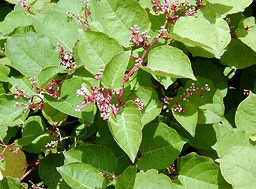
Japanese knotweed is one of the most widely recognised invasive plants affecting property and development land, but developers increasingly need to consider a broader range of invasive plant species, often referred to as IPS.
Depending on the site, this may include giant knotweed, Bohemian knotweed, Himalayan knotweed, giant hogweed, Himalayan balsam, invasive bamboo, rhododendron, cherry laurel and invasive aquatic plants.
Different species create different commercial and operational risks.
Japanese knotweed may affect soil movement, excavation, site boundaries and proposed construction areas. Giant hogweed can create a health and safety risk for workers and the public. Himalayan balsam can destabilise riverbanks and complicate ecological management. Bamboo may spread beneath hardstanding, boundaries and structures. Invasive aquatic plants may affect drainage ponds, watercourses, wetlands and sustainable drainage systems.
The issue is therefore not limited to identifying unwanted vegetation.


Developers need to understand how the species present interact with the intended use of the land, the construction programme and the wider development strategy.
Japanese Knotweed Control provides a coordinated service that turns invasive plant species information into practical development decisions.
We help establish what is present, how far it may have spread, which areas of the site are affected and what options are available to manage the risk without imposing unnecessary cost or disruption on the scheme.
Supporting Residential and Commercial Property Development
Our work covers both residential and commercial development.
For residential developers and housebuilders, Japanese knotweed may affect individual plots, garden areas, estate roads, drainage, public open space, landscaping, boundaries and future homeowner responsibilities.
The solution must consider not only how the site will be built, but how the completed development will be occupied, sold, maintained and managed.
For commercial developers, the same infestation may interact with larger building footprints, service yards, car parks, access roads, utilities, attenuation systems, landscaped boundaries and phased construction activity.

The development programme may also demand greater certainty, particularly where occupation dates, tenant commitments, funding milestones or linked infrastructure works are involved.
A treatment programme suitable for undeveloped land may not be appropriate where a logistics facility needs to become operational within a defined period. Equally, full excavation and disposal may be commercially excessive where the affected area sits outside the immediate construction footprint.
Our recommendations are developed around the actual project.
That means considering the development type, proposed layout, programme, soil strategy, access, planning position, environmental setting and the client’s appetite for cost and long-term management.
Why Developers Need Early Japanese Knotweed Advice
Japanese knotweed and wider IPS risk can become significantly more expensive once a development layout, land transaction or construction programme has been fixed.
Before acquisition or planning, a developer may still have several viable options.
The purchase price can reflect the remediation liability. The layout can be adjusted. Space can be protected for treatment or containment. The construction sequence can be developed around the affected areas. Costs can be included within the appraisal and funding requirements.
Once the site has been acquired and commitments have been made, the flexibility begins to reduce.
A building may have been positioned over affected ground. A proposed attenuation pond may conflict with the infestation. A future phase may occupy the only area suitable for containment. Access for specialist machinery may be lost once construction begins. Previously clean material may become mixed with affected soil during clearance.
The problem is not always the infestation itself.
The commercial damage often comes from the late discovery of the infestation and the absence of a coordinated response.
Early assessment helps developers avoid situations where invasive species become an unexpected variation rather than a planned element of the development.
Pre-Acquisition and Development Due Diligence
The acquisition stage is one of the most valuable points at which to commission specialist invasive plant species advice.
A site may appear clear during a winter viewing but show significant growth during the growing season. Previous owners may have cut or buried vegetation. Historic earthworks may have moved affected soil away from the original infestation. Information contained within an existing ecological report may also be too general to support a development appraisal.
We can review the available site information before acquisition and identify whether further investigation is required.
This may involve examining previous surveys, photographs, planning documents, ground investigation information, topographical plans, site layouts and available ecological reports.
Where appropriate, we can then undertake a site survey and provide an initial assessment of the likely development implications.
The objective at this stage is to answer the questions that matter commercially.
Is invasive plant material present? Is it likely to affect the proposed construction area? Could the infestation extend beyond the visible growth? Is the site suitable for treatment, containment, soil screening or excavation? What access and working space may be required? Is the likely liability significant enough to affect the acquisition price or programme?
A proportionate early assessment gives developers a stronger basis for negotiating the transaction and refining the development appraisal.
It can also identify whether specialist conditions, allowances or further investigation should be included before the acquisition becomes unconditional.

Land Appraisal, Viability & Cost Planning
Japanese knotweed remediation costs can vary considerably depending on the development strategy.
The cost is not determined purely by the number of visible plants.
A relatively small infestation may become expensive if it sits beneath a proposed building, access road or drainage system and needs to be addressed immediately. A larger infestation may be managed more economically if it sits within land that can remain undisturbed or be treated over a longer period.
The wider site conditions also matter.
Excavation depth, access, soil type, disposal routes, stockpiling space, replacement-fill requirements and programme constraints can all affect the final cost.
For this reason, generic cost-per-square-metre figures are rarely enough for a serious development appraisal.
We can provide remediation options and budget information based on the proposed scheme and the practical constraints of the site.
This allows the developer and quantity surveyor to compare the commercial implications of different approaches.
For example, full off-site disposal may provide a high degree of certainty and release the affected area quickly, but create substantial haulage and replacement-fill costs. Soil screening may require more on-site coordination but dramatically reduce waste volumes. Herbicide treatment may be lower cost where the programme allows. Containment may reduce disposal but create a permanent constraint that must be reflected in the masterplan.
The correct decision depends on what the development needs to achieve.
Our role is to help developers understand those trade-offs before the remediation approach becomes fixed.
Planning and Pre-Application Support
Invasive plant species may be identified through an ecology survey, site inspection, planning consultation or a condition attached to an existing permission.
The planning response needs to be credible, proportionate and connected to the proposed development.
A generic statement that Japanese knotweed will be treated later may not provide enough information where the infestation overlaps with construction activity, landscaping, drainage or neighbouring land.
We can prepare the specialist information required to demonstrate that the issue has been properly assessed and can be managed within the development.
This may include a survey report, infestation mapping, an invasive plant species management plan, an outline remediation strategy, biosecurity controls and monitoring proposals.
Where the final remediation method depends on further design or investigation, the strategy can identify the available options and the process by which the preferred solution will be confirmed.
The planning submission should not create unnecessary commitments before sufficient information is available.
Equally, it should give the planning authority confidence that the developer understands the risk and has a deliverable route for addressing it.
We can work with the developer, architect, planning consultant, ecologist and engineering team to produce a joined-up response.
Our dedicated Japanese knotweed support for building and civil engineers helps coordinate remediation requirements with earthworks, drainage, infrastructure and construction activity.
Where architects are involved in the project, our invasive plant species support for architects helps ensure site risks are considered during the design and planning stages.
Development Constraints Mapping
Developers need to know how much of the site is genuinely affected and how that risk interacts with the development layout.
Visible plant locations are only the starting point.
Japanese knotweed rhizomes may extend beneath the ground beyond the apparent edge of the infestation. Historic clearance, earthworks or fly-tipping may also have moved contaminated material into other parts of the site.
Our constraints mapping translates the survey findings into practical development information.
This may show the relationship between affected ground and proposed buildings, roads, car parks, service corridors, drainage systems, landscaping, open space, boundaries and future phases.
The mapping can also identify potential exclusion areas, investigation zones, soil-screening locations, temporary stockpile areas, clean and contaminated routes and areas where containment or root barriers might be considered.
This helps the development team understand where the genuine conflicts sit.
A proposed building may only partially overlap with affected ground. A service route may be capable of adjustment. A peripheral part of the site may be suitable for longer-term treatment. A landscape zone may offer an alternative to full disposal.
These decisions can significantly affect cost and programme.
Constraints mapping allows them to be explored while the development remains flexible.
Japanese Knotweed & IPS Surveys for Development Sites
A development-focused invasive plant species survey should do more than record that a plant is present.
It should provide information that can be applied to the acquisition, planning, design, procurement and construction process.
Our surveys consider the species present, the visible extent of growth, evidence of previous treatment or disturbance, the relationship with site boundaries and the potential for spread through historic soil movement.
Where development plans are available, we also consider how the infestation may interact with the proposed scheme.
This may include building footprints, garden areas, roads, drainage, attenuation, services, landscaping, public open space, temporary access and future development phases.
More complex sites may require further investigation.
A brownfield site that has experienced demolition, stockpiling or earth movement may carry a different risk from an undisturbed parcel of land. A site with sparse visible growth may still require additional investigation if the history suggests that affected material has been spread.
The scope should reflect the level of commercial certainty required.
An initial acquisition survey may identify whether the site presents a material risk. A later pre-construction survey may provide more detailed mapping and information for remediation and tendering.
Invasive Plant Species Management Plans
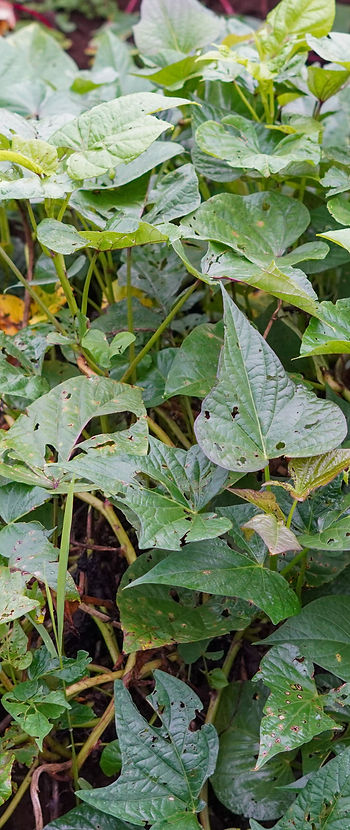
A management plan sets out how Japanese knotweed or another invasive plant species will be controlled, treated, contained or removed.
For a development site, that plan must connect the biological risk with the practical realities of construction.
It should explain how affected areas will be identified and protected, when remediation will take place, how soil will be handled, what access is required, how machinery will be managed and who is responsible for implementing each part of the strategy.
It may also address treatment timescales, excavation, soil screening, waste disposal, root barriers, on-site containment, monitoring, reporting and the management of unexpected discoveries.
A properly prepared management plan provides a common reference point for the developer, project manager, architect, engineer, quantity surveyor, ecologist, principal contractor and specialist remediation team.
It reduces the risk of conflicting assumptions and ensures the selected approach remains connected to the wider development programme.
Where the site is being developed in phases, the plan can also explain how affected and clean areas will be separated as construction progresses.
This is particularly important where remediation must continue alongside active groundworks, occupation or the release of completed plots.
Selecting the Right Remediation Strategy
There is no single correct method for every development site.
The best strategy is the one that provides the required level of certainty while protecting the programme, land value and commercial viability of the project.
We assess each site individually and compare the available options against the needs of the development.
Herbicide Treatment Programmes
Herbicide treatment can be appropriate where the affected land does not need to be disturbed immediately.
This may include future development phases, peripheral landscaping, open space, retained boundaries or land held before construction begins.
Treatment can provide a lower-impact and more cost-effective solution than excavation where the programme allows sufficient time.
The key issue for developers is coordination.
The affected area must remain protected from excavation, trafficking and uncontrolled clearance.
Monitoring and access requirements may also continue through several growing seasons.
A treatment strategy should therefore be reflected within the programme, site logistics and responsibilities of the construction team.
It should not be treated as an informal maintenance activity running separately from the development.
Excavation and Off-Site Disposal
Excavation may be selected where affected ground conflicts directly with construction and the site must be released quickly.
It can provide programme certainty, but it can also create significant cost.
The financial impact includes more than the specialist excavation itself.
Affected material may need to be loaded, transported and disposed of at an appropriate facility. Clean replacement material may then need to be imported. Haul roads, temporary stockpiles, machine movements, vehicle cleaning and additional management controls may also be required.
On constrained or urban sites, access and vehicle movements can become as challenging as the excavation.
Developers should therefore assess the full operational and commercial impact before defaulting to full disposal.
Where excavation is required, we can help define the affected area, coordinate the sequence, manage biosecurity and identify opportunities to reduce the volume of material leaving the site.
On-Site Containment and Burial
Where suitable land is available, affected soil may be managed within a controlled on-site containment solution.
This can reduce haulage, disposal charges and the requirement for imported fill.
However, the containment area becomes a long-term constraint and must be positioned carefully.
It should not conflict with current buildings, future phases, service corridors, drainage, landscape maintenance or potential extensions.
A containment area that appears convenient during the initial development may become problematic if the long-term masterplan has not been considered.
The solution therefore requires coordination between the remediation specialist and the wider development team.
Root-Barrier Systems
Root barriers can be used to protect clean development areas, structures, neighbouring land or future phases from rhizome spread.
They may form part of an excavation, containment or integrated remediation strategy.
The barrier alignment must be coordinated with foundations, retaining structures, services, drainage, boundaries and external levels.
It must also remain continuous and protected from later damage.
A root barrier installed without proper design coordination can be compromised by subsequent construction work.
We work with the project team to ensure barrier proposals are practical, appropriately positioned and reflected within the relevant construction information.
Integrated Remediation Strategies
Many development sites benefit from using more than one method.
An urgent building footprint may be excavated while peripheral areas remain under treatment. Affected soil may be screened and reused, while concentrated rhizome material is removed or contained. Root barriers may isolate a boundary, with monitoring continuing after the main construction works have finished.
This type of integrated strategy allows different parts of the site to be managed according to their intended use and programme importance.
It can provide the certainty required in critical construction areas without applying the most expensive treatment across the entire infestation.
Save Our Soil and On-Site Soil Screening
Japanese Knotweed Control’s Save Our Soil, or S.O.S., process is particularly relevant to developers managing large quantities of affected soil.Traditional excavation and disposal can require the removal of every tonne within a defined area, even though only a small proportion of that material may contain viable rhizome. This creates substantial disposal, haulage and replacement-fill costs.
The S.O.S. process uses specialist screening equipment to separate viable rhizomes and invasive plant material from the reusable soil fraction.
The treated soil may then be retained and reused within the development where appropriate.Depending on the soil and site conditions, the process can reduce the volume of material requiring disposal by up to 95%.For developers, this can create significant commercial and operational benefits.
Fewer lorry movements reduce pressure on site access and surrounding roads. Lower disposal volumes can cut waste charges. Retaining material reduces the amount of imported fill required. The development may also benefit from a lower carbon impact and better use of existing site resources.
Soil screening can be particularly valuable on large residential, commercial, industrial and infrastructure-related sites where substantial earthworks are already planned.It does, however, require suitable space, machinery access, temporary material management and coordination with the wider earthworks strategy.
The earlier screening is considered, the easier it is to integrate those requirements into the programme and site logistics.
Residential Developments and New-Build Housing
Japanese knotweed on a residential development requires careful consideration because the final site will be divided into individual plots, gardens, roads, public open space and areas managed by different owners or organisations.
A remediation strategy must account for both the construction phase and the long-term occupation of the development.An infestation beneath a proposed garden may create different risks from one beneath an estate road, apartment block or communal landscape area.
The eventual ownership and maintenance responsibilities also need to be clear. Developers may need to consider how monitoring access will be maintained, whether treated areas will pass into private ownership, how retained barriers or containment areas will be recorded and what information will be provided at handover.
For larger housing schemes, the relationship between remediation and phasing is especially important.One phase may be undergoing treatment while another is under construction or occupied. Soil movement between phases must be carefully controlled, and the contractor needs clear information about which areas remain restricted.
We support housing developments ranging from individual replacement dwellings and small infill schemes to major residential estates, apartment developments and mixed-tenure projects.
Our aim is to create a strategy that allows the developer to release plots and progress construction without transferring unmanaged risk into the completed scheme.

Commercial, Industrial and Mixed-Use Development
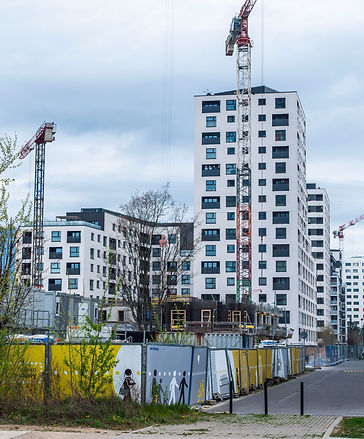
Commercial developments often involve larger footprints, more extensive earthworks and tighter programme commitments. An infestation may interact with a proposed office building, hotel, retail development, warehouse, data centre, service yard, access road, car park, utility corridor or attenuation system.
The consequences of a delay may extend beyond the construction contract. Tenant occupation, funding milestones, lease commitments, linked infrastructure and operational launch dates may all depend on the site being released on time. Commercial developers therefore need a clear understanding of the likely remediation programme and the level of certainty provided by each method.
Where immediate access to affected ground is essential, excavation or screening may be required. Where the infestation sits within landscaping or a later phase, treatment or containment may provide a more proportionate solution. Mixed-use and regeneration projects may require several approaches across the same site. The strategy must account for changing land uses, phased occupation, public access, retained buildings and complex site logistics.
We work with the development team to create an approach that reflects those commercial realities.
Brownfield Sites and Previously Disturbed Land
Brownfield sites can present a more complex invasive species risk because the ground may have been repeatedly disturbed. Previous demolition, clearance, cut-and-fill, fly-tipping and temporary stockpiling may have spread affected soil away from the original plant location.
Visible growth may therefore provide only a partial picture. The site history becomes an important part of the assessment. Old aerial photography, previous surveys, ground investigation information and historic layouts may help identify where material has been moved or buried.
More detailed investigation may be required where construction is proposed across areas with a high level of uncertainty. Developers should avoid assuming that the absence of mature visible plants means the site is free from risk. Recent clearance or repeated cutting can suppress the above-ground growth without removing the underlying rhizome. A proportionate investigation strategy helps establish where further certainty is needed and where the development can proceed without unnecessary remediation.

Phased Developments and Long-Term Programmes
Large developments are rarely delivered as a single construction operation. Housing estates, regeneration schemes, business parks, industrial sites and mixed-use projects may progress over several years. This creates both opportunities and challenges for invasive species management. Areas outside the immediate construction phase may be suitable for herbicide treatment while critical development zones are excavated or screened. Future phases may provide space for temporary soil management or containment. However, the longer programme also creates a greater risk of accidental spread if affected areas are not clearly protected. Different contractors may enter the site over time. Temporary routes may change. Clean and affected material may be moved between phases. Site knowledge may be lost as personnel change.
The IPS strategy should therefore evolve with the development.
Management plans, constraints drawings, exclusion zones and site instructions should remain current and accessible. We can support developers throughout the programme, updating information where required and maintaining continuity between the initial survey, remediation, construction phases and monitoring period.
Biosecurity for Development and Construction Sites
A technically sound remediation strategy can be undermined by poor soil and machinery controls. Japanese knotweed and other invasive plants may be spread through excavators, dumpers, vehicle tracks, buckets, tools, footwear and uncontrolled stockpiling. A small amount of affected material moved into a clean area can create a new long-term liability.
Biosecurity should therefore form part of the construction strategy from the outset. The controls required will depend on the site, but may include clearly marked exclusion zones, separate clean and contaminated access routes, inspection points, controlled stockpiles, machinery-cleaning areas, signage, wastewater management and procedures for reporting unexpected growth. Where plant crosses between affected and clean areas, a properly managed wash station may be required. The wash area must be positioned so that contaminated material and wastewater can be captured and managed rather than spreading the problem elsewhere. The biosecurity requirements should be reflected within the site logistics plan, contractor responsibilities and relevant method statements. This gives the principal contractor a clear basis for implementation and provides the developer with a stronger audit trail.
Site Toolbox Talks and Contractor Awareness
Many invasive species incidents occur because site operatives do not understand the risk. Mature Japanese knotweed may be recognisable, but early growth, dormant canes, crowns and rhizome fragments are easier to miss. Operatives may also be unaware that driving through an exclusion area, moving a small stockpile or scraping material from an excavator bucket can compromise the wider strategy. Site-specific toolbox talks provide practical guidance to the people responsible for implementing the controls. They can explain what species are present, where the restricted areas are located, how soil and machinery must be handled and what should happen if unexpected material is encountered. Toolbox talks are especially valuable on larger developments with multiple contractors, changing site teams or phased works. They create a common understanding of the issue and reduce reliance on individual knowledge.
Tendering, Procurement and Contractor Scope
Unclear invasive species information creates commercial risk during tendering.If a contractor is told that Japanese knotweed is present but is not given a defined scope, the resulting prices may be impossible to compare.One tenderer may include full excavation and disposal. Another may allow for limited treatment. A third may exclude the issue and rely on a future variation. This creates uncertainty for the developer and increases the risk of disputes after appointment. We can support the preparation of a clear specialist scope. The tender information may include survey findings, constraints plans, the proposed remediation method, soil-management controls, biosecurity requirements, monitoring obligations, responsibilities and any areas where further investigation remains necessary. The distinction between the works undertaken by Japanese Knotweed Control and the responsibilities of the principal contractor should be explicit. For example, the specialist contractor may supervise the excavation or operate the screening process, while the principal contractor provides access, welfare, traffic management, material movement or temporary working areas. Clear scope allocation helps prevent duplicated costs and missing allowances.It also allows developers and quantity surveyors to understand which elements are fixed and which remain dependent on conditions encountered during the work.
Supporting Enabling Works and Construction Delivery
Invasive species remediation often sits at the beginning of the construction programme. Delays at this stage can affect demolition, earthworks, drainage, piling, roads and the release of individual plots. We work with developers, project managers and contractors to coordinate remediation with the wider enabling works. This may involve agreeing working areas, excavation sequences, inspection points, stockpile arrangements, machinery access and the timing of soil screening or disposal. Where remediation and construction activity overlap, clear boundaries and communication become essential. The development team needs to understand which areas have been released, which remain subject to controls and what approval is required before further disturbance. Our continued involvement can reduce the gap between the written management plan and what happens on site.
Unexpected Japanese Knotweed During Construction
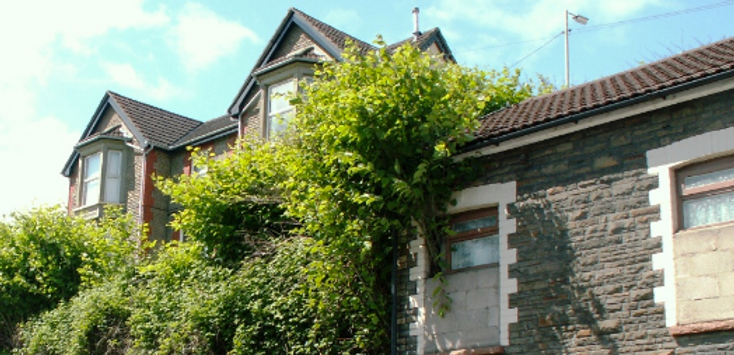
Not every infestation is identified before work begins. Japanese knotweed may be discovered during clearance, excavation, drainage work or the removal of historic stockpiles.In this situation, the immediate response matters. Continuing to disturb or move the material may increase the affected area and make the eventual remediation more difficult. The site team should stop work within the relevant area, protect the material from further movement and obtain specialist advice. We can attend the site, identify the plant or rhizome, assess the likely extent and recommend a practical response. The priority is to contain the issue while minimising disruption to unaffected parts of the development. Depending on the circumstances, the strategy may involve localised excavation, further investigation, temporary exclusion, soil screening, containment or changes to the work sequence. A clear incident procedure within the biosecurity plan can help contractors respond appropriately rather than improvising under programme pressure.
Neighbouring Land and Boundary Risk
Japanese knotweed does not recognise ownership boundaries. An infestation may originate on neighbouring land, extend across the site boundary or remain partly outside the developer’s control. This creates additional technical and commercial considerations. The development strategy may need to include boundary monitoring, root barriers, access agreements or coordination with the neighbouring owner.
The developer should also understand whether the proposed works could disturb affected ground and increase the risk of spread beyond the site. Where neighbouring land is involved, clear records become particularly important. Survey mapping, photographs, monitoring information and correspondence can help establish the position before work begins. We can assess the boundary risk and provide practical recommendations for protecting the development. The appropriate legal response should be considered with the developer’s professional advisers where ownership, access or liability is disputed.
Environmental, Waste and Regulatory Considerations
The legal and regulatory framework differs between England, Scotland, Wales, Northern Ireland and the Republic of Ireland.
Requirements may also vary depending on the species, environmental setting, waste route, herbicide use and proximity to water.
For developers, the key point is that invasive plant material and affected soil cannot simply be treated as ordinary site vegetation or general arisings. The project may need to consider appropriate handling, storage, transport, treatment, disposal and record keeping.
Herbicide use may require additional controls near watercourses or sensitive habitats. Soil reuse and on-site containment must be incorporated into a properly defined management strategy. Off-site disposal requires suitable routes and documentation.
We provide the specialist technical information required to support compliant project delivery. We also work alongside the developer’s planning, environmental, legal and waste advisers where those disciplines require separate input.
Protecting Development Value and Programme Certainty
A successful invasive species strategy should protect more than the immediate construction area.It should support the wider commercial objectives of the development. That may mean preserving the number of saleable plots, avoiding the unnecessary loss of developable land, reducing waste costs, releasing critical areas on programme and maintaining confidence among funders, purchasers, tenants and professional advisers. The cheapest initial treatment is not always the most commercially effective solution. Equally, the most extensive excavation is not automatically the safest investment. The correct strategy balances immediate cost, programme requirements, future land use and the level of residual management accepted by the developer.Our role is to present those choices clearly and deliver the agreed approach.
Development Types We Support
Japanese Knotweed Control supports developers, landowners, housebuilders and project teams working across:
Individual new-build homes and infill sites
Small and medium-sized housing developments
Major residential estates
Apartment and build-to-rent schemes
Social and affordable housing
Mixed-use development
Brownfield regeneration
Commercial offices
Retail and leisure projects
Hotels and hospitality developments
Industrial estates
Warehousing and logistics
Data centres
Healthcare and education developments
Business parks
Public-sector regeneration
Infrastructure-related development
The service can range from a pre-acquisition survey to full remediation, monitoring and support throughout a multi-phase construction programme.
Why Property Developers Work With Japanese Knotweed Control
Developers need more than a report confirming that Japanese knotweed is present. They need clear answers about what the infestation means for the land, what the realistic options are, how much space and time those options require and how the work can be integrated into the development programme. Japanese Knotweed Control combines specialist invasive plant species expertise with practical experience of residential, commercial and construction environments.
We can support the project from initial due diligence through to planning, remediation, construction and monitoring. Our services include site surveys, species identification, GPS mapping, development constraints reporting, remediation options, management plans, soil screening, excavation, containment, root barriers, herbicide treatment, biosecurity, toolbox talks and long-term monitoring. Because the same specialist team can advise on the strategy and deliver the remediation, there is less risk of a management plan being written without sufficient regard for how the work will actually be implemented. The result is a practical, development-focused service built around cost, programme and certainty.
Verified Accreditations and Memberships
Our Development Site Process
1. Initial Project Review
Send us the site address, development plans and any existing information about Japanese knotweed or other invasive plants. This may include ecology reports, previous surveys, planning documents, site photographs, ground investigation information and the proposed construction programme.We review the material and advise on the most appropriate next step.
2. Site Survey and Mapping
Our specialists inspect the site, identify the species present and map the known affected areas.The survey considers previous disturbance, neighbouring land and the relationship between the infestation and the proposed development.
3. Development Constraints and Remediation Options
We explain how the infestation may affect the scheme and present the practical remediation options. This includes consideration of programme, access, soil movement, waste, containment and future land use.
4. Cost and Programme Coordination
We work with the developer and project team to refine the preferred strategy. The selected approach can then be reflected within the development appraisal, design, programme and tender information.
5. Remediation and Biosecurity
Where appointed, we deliver the agreed treatment, excavation, screening, containment or root-barrier works. Biosecurity controls, wash stations and site-awareness measures can also be implemented where required.
6. Monitoring and Project Documentation
We provide the agreed monitoring, inspection and project records. Where the development is phased, our involvement can continue as the site progresses and new areas are released.
